How to File an IRS Tax Extension in 2026
Missed the April 2026 tax deadline? Don't worry! Our IRS tax extension guide shows you how to file late without penalties.
Get an extension by April 15, 2026, and have until October 15, 2026, to file your taxes.
How do I file for an IRS tax extension?
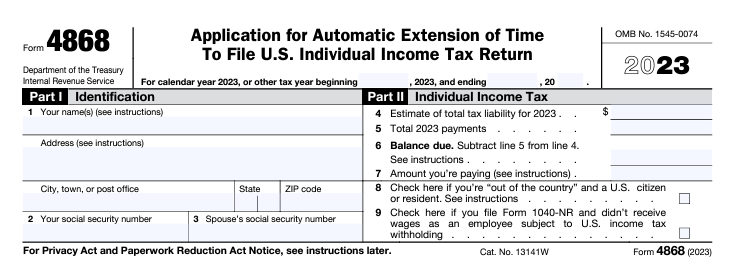
To file for an automatic IRS tax extension, file Form 4868 before the tax deadline (April 15), which will generally extend your due date by 6 months to October 15.
You can file Form 4868 online using a variety of tax apps or by filling in a paper form and posting it to the IRS.
When are IRS tax extensions due?
IRS tax extensions must be filed prior to the April 15 tax deadline. So, if you know you’re going to file late due to needing more time to go over your paperwork, file for an extension before the deadline.
You cannot delay paying any tax due with an extension. If your payment is after the deadline, the IRS will charge interest on the unpaid balance. Meaning you should always pay on time, even if you file an extension.
What if I can’t pay my taxes by the deadline?
If you can’t pay your taxes in time, the IRS will subject you to interest as well as potential tax penalties.
If you know ahead of the payment deadline that you’ll be unable to pay, you should contact the IRS. You may be able to agree to a payment instalment plan.
If your circumstances are complicated and you’re struggling to figure out what you owe, we recommend that you consult an experienced US crypto tax professional.
Do I need to file a tax extension for my state taxes?
The answer to this question varies from state to state, but yes, some states will require you to file another tax extension, as well as Form 4868.
If you’re unsure, check with your state’s tax authority to confirm their specific requirements and deadlines.
Can I file a second tax extension?
Generally speaking, no, you cannot file for a second tax extension. Although US taxpayers living outside the country may be able to request an additional 4 months. See the IRS guidance.
Can I file an IRS tax extension with TurboTax?
Yes. You can file both a federal and state extension, if needed, using TurboTax.
Just go to the extension option in TurboTax and follow the instructions to file. Make sure you do this ahead of the tax deadline to avoid penalties for late filing.
What if I didn't report crypto in my return?
If you’ve accidentally avoided crypto tax by failing to report your crypto, don’t worry.
Here are steps you can take to reduce potential fines and penalties:
Amend your return using Form 1040X if you can.
File a voluntary disclosure using Form 14457 (there's a specific section for virtual currency).
What can I do to avoid missing the tax deadline?
We harp on about this a lot, but preparation really is the best answer; Taxes take preparation.
In fact, preparing your taxes ahead of time can actually help you optimize your tax position and reduce your tax liability.
One of the simplest things you can do is keep good records. Whether that’s because of your personal circumstances, or by using a crypto tax calculator like Koinly to help you keep track of your crypto tax liability throughout the financial year, so you’re not stuck facing a large tax bill you can’t afford to pay when the deadline rolls around.